
Release details
Condition
Mint (M)
Media Condition
Mint (M)
Sleeve Condition
Mint (M)
Format
1x Vinyl 12" 12inch Vinyl
Features
n/a
Various
ELEVATION RECORDS · SKU: ELE042
Condition
Media Condition
Sleeve Condition
Format
Features
Kisah Pasar Baru: The Modern Sound of 1950s Indonesia When Indonesia gained its independence from the Dutch colonial government in 1945, politicians and soldiers weren’t the only ones playing a major role in building the sense of national identity. Also working on the nationalist front were merchants and traders of phonograph records, who prior to the country’s independence served as local agents for foreign labels like Odeon and Beka. In Batavia, one of these traders were Tio Tek Hong, distributor of the international label Odeon and the other figure was Soejoso Soekarso, who also served in the Indonesian Military as an Air Force Marshall. Irama Records, the music label he founded in 1951, was first attempt to “nationalize” the means of production of “indigenous music” from both foreign labels and intermediaries like Tio. Soejoso stood at the intersection of music, business, and nationalism. He was the vanguard in the process of popularizing of a new breed of “national” music, especially the type he showcased in the compilation Kisah Pasar Baru: The Modern Sound of 1950s Indonesia, released in 1958. Yet, the idea of an indigenous music championed by Soejoso was in fact the amalgamation of a myriad of cosmopolitan strands. As an air force officer, Soejoso spent some of his time playing in the Hawaiian band Lieve Souvenier in Semarang before relocating to Jakarta and started jamming with the band Elshinta Hawaiian Senior. In addition to Hawaiian music, Soejoso was a versatile musician who also had the chops for jazz, a musical genre wildly popular in the 1940s and early 1950s Indonesia. And it was jazz that he first recorded for his Irama Records label. One night in 1951, he squeezed pianist Nick Mamahit, bassist Max van Dalm, drummer Dirk van der Capellen, and guitarist Dick Abel into a 2×3-meter studio on Jl. H. Agus Salim, Central Jakarta, to record the first local jazz album of the post-independence era. Kisah Pasar Baru is a compilation of hybrid music that Soejoso and his coterie of musicians championed in the early 1950s, a mix of Hawaiian, Keroncong and Jazz and it became a hit soon after being release. One of the best compositions on this album, “Pajung Fantasi,” composed by the legendary composer Ismail Marzuki, is essentially built from Bing Slamet’s baritone—Indonesia’s equivalent of Bing Crosby--and the distinctive Hawaiian-styled steel guitar. The most famous song on the album, “Sabda Alam,” also written by Ismail Marzuki, follows the same pattern, its steel-guitar works now backing Theresa Zen’s hauntingly ethereal vocals. Kisah Pasar Baru was never designed to be a long-playing record, and its presence on the market was to capitalize on a new trend in the recording industry. The album is a greatest-hits compilation, with songs in this album previously circulating individually on 78-rpm discs—a format that was gradually abandoned following the invention of the 7-inch single and the 12-inch long-play vinyl. This is the first time this monumental record is being reissued for the international market outside of Indonesia.
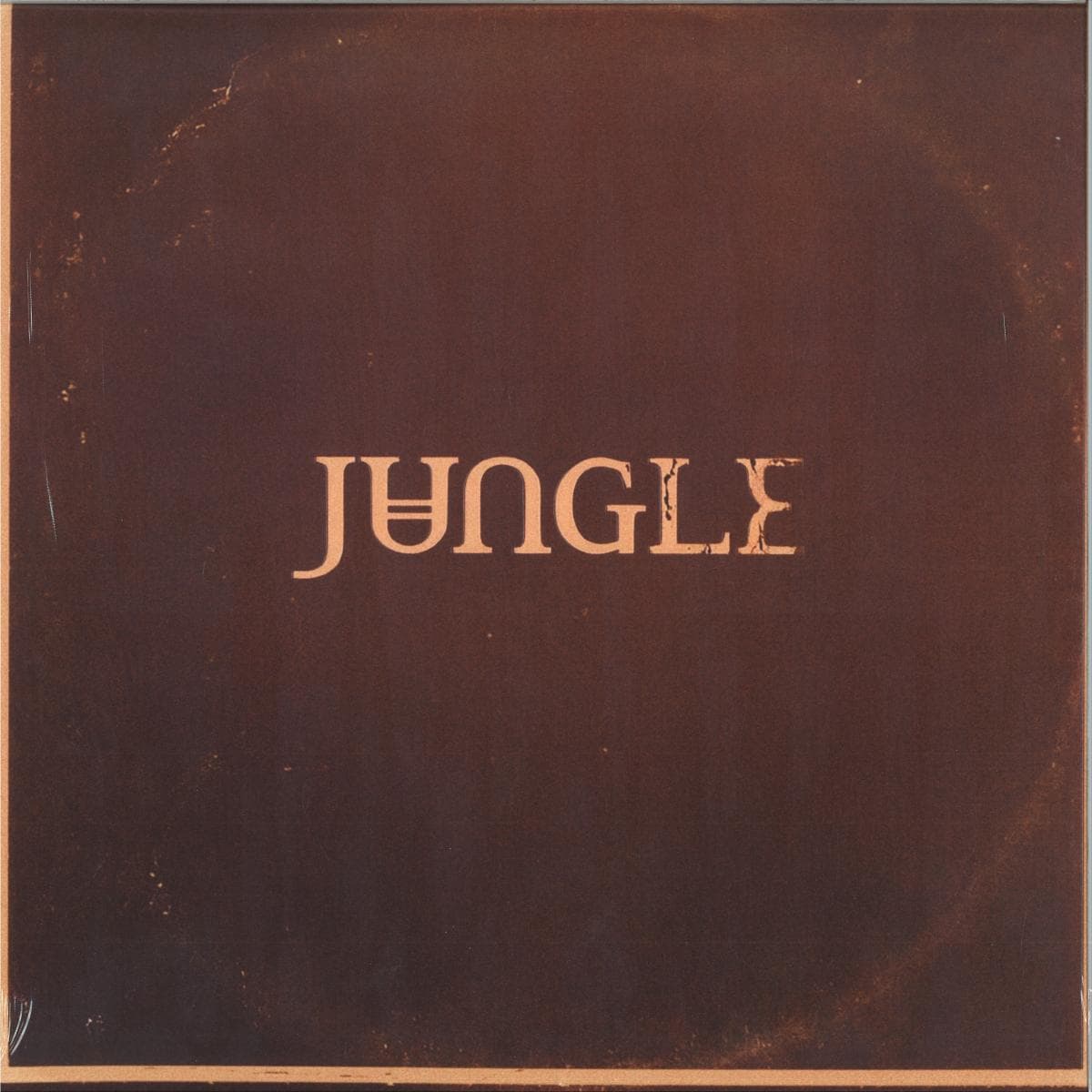 Pop, World Music
Jungle
Last copy
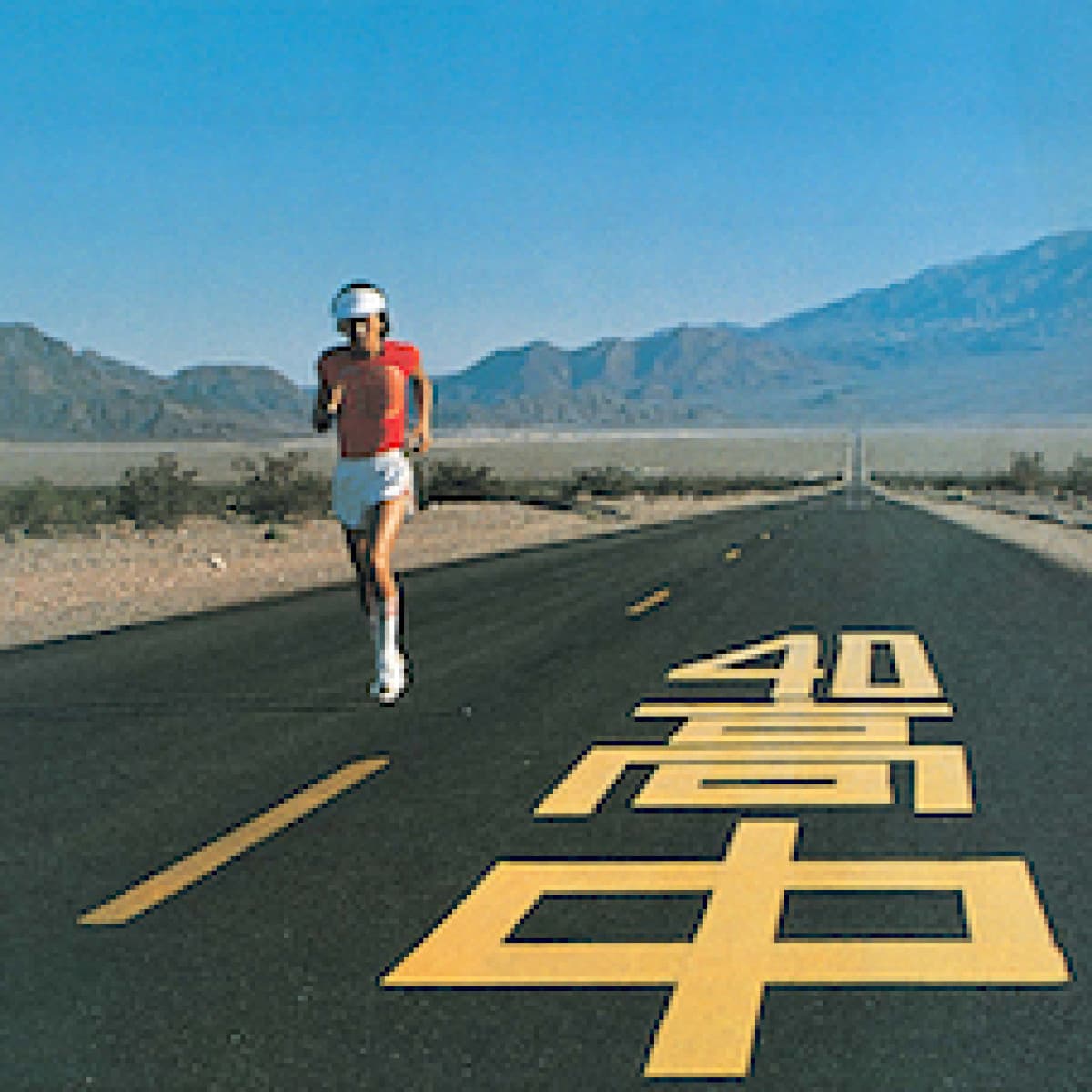 Pop, World Music
MASAYOSHI TAKANAKA
Shipping from: 13 Oct 2026
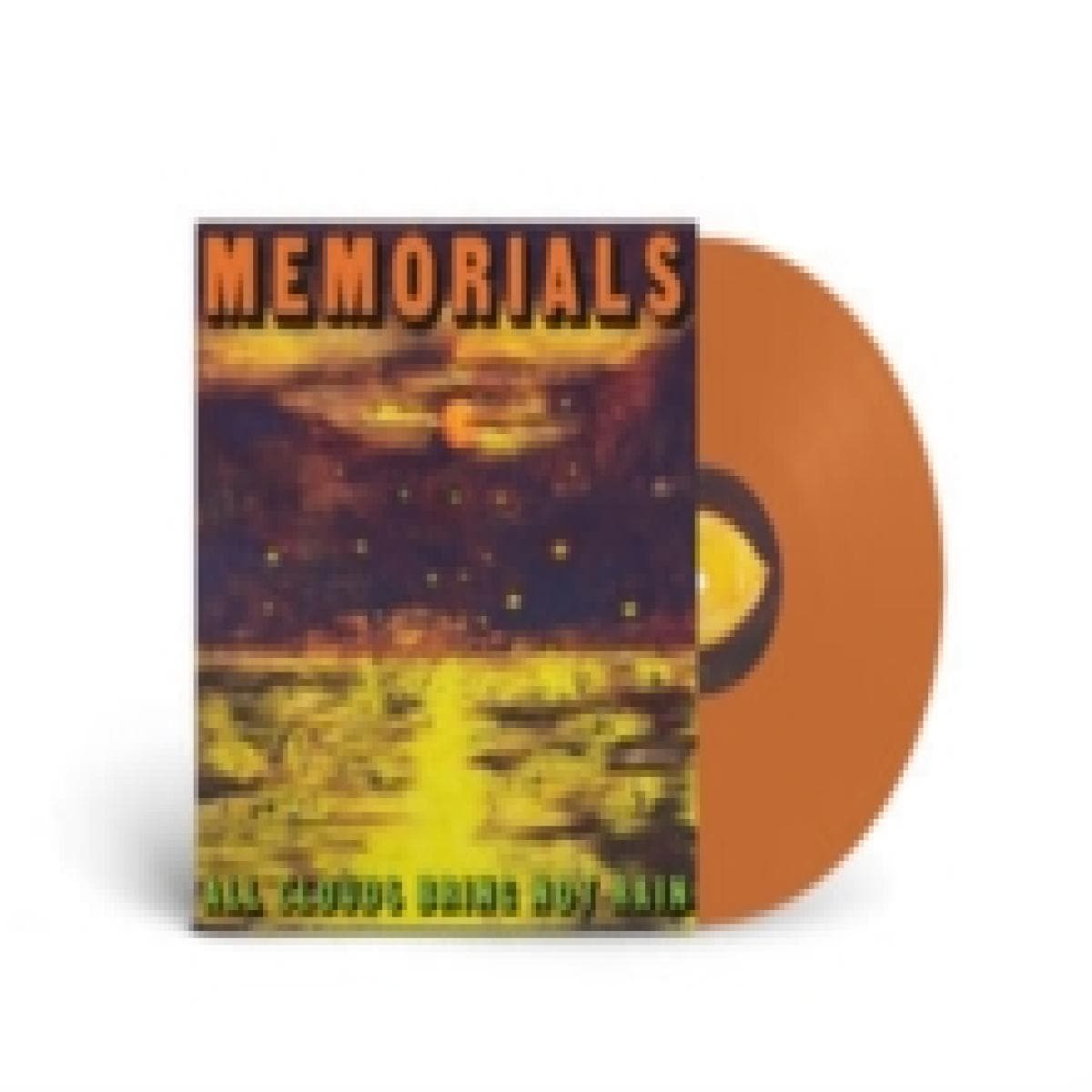 Pop, Jazz
Memorials
Shipping from: 13 Oct 2026
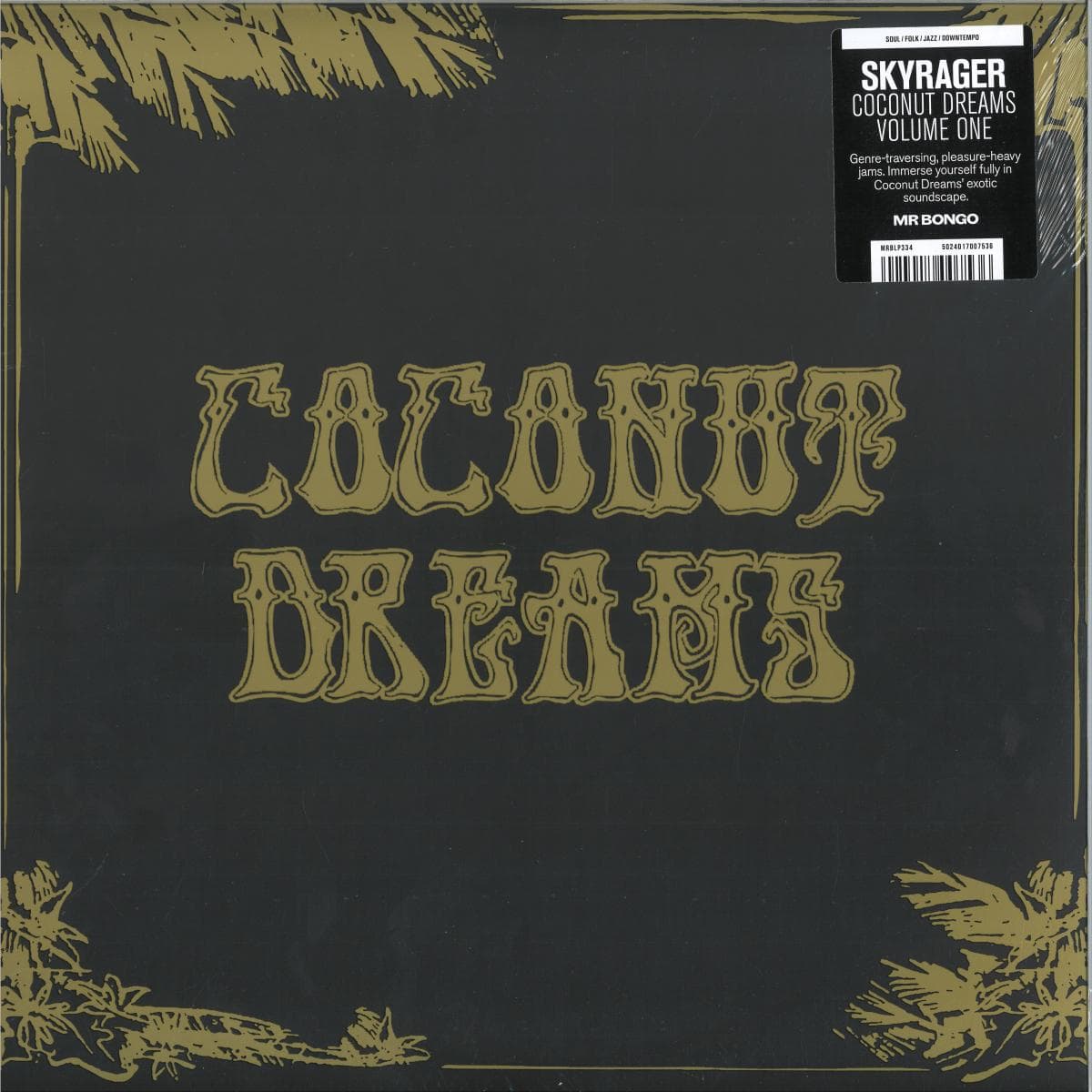 Pop, Jazz, Soul, Folk
SKYRAGER
Shipping from: 13 Oct 2026
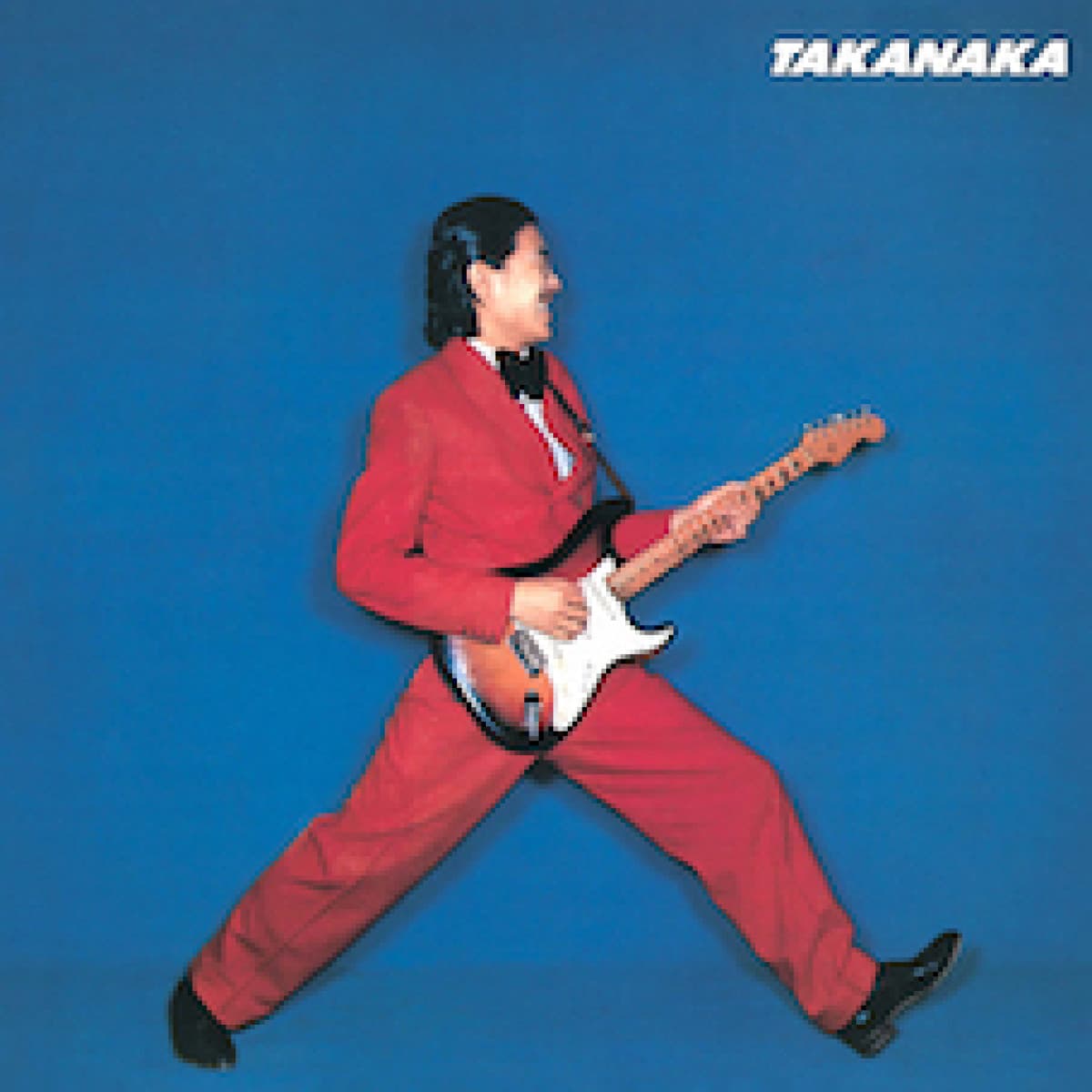 Pop, World Music
MASAYOSHI TAKANAKA
Preorder • 06 Oct 2026